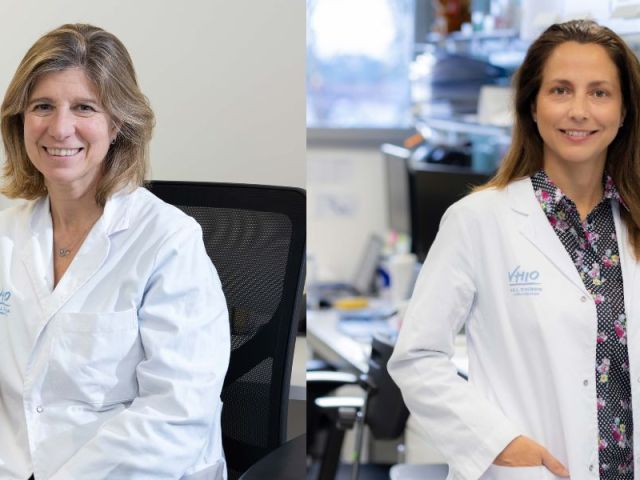
Analysis of DNA repair deficiency in breast and ovarian tumours with pathogenic germline variants in the RAD51C or RAD51D genes could be useful for steering targeted therapy
The analysis of homologous recombination DNA repair in primary breast and ovarian tumours in patients with pathogenic germline variants in…
The analysis of homologous recombination DNA repair in primary breast and ovarian tumours in patients with pathogenic germline variants in…

In this chapter of Cancer 360 the journalist Adam Martín talks to 8 professionals from VHIO who work in different…

After the success achieved last year, VHIO has once again organized, on April 20, its Open Day, with the aim…
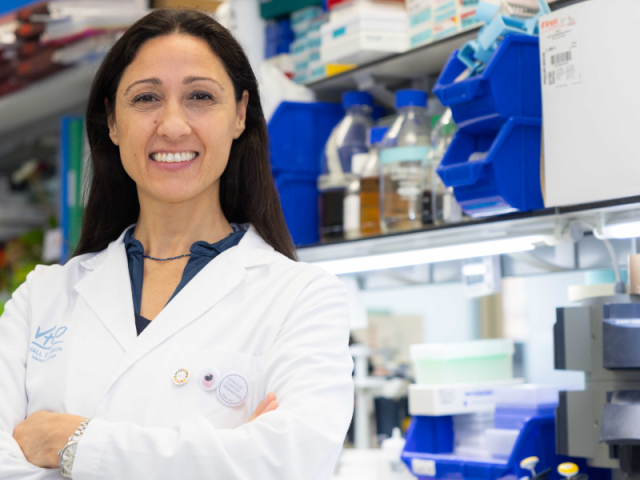
Laura Soucek, an ICREA Research Professor, Director of VHIO’s Experimental Therapeutics Program, and Head of our Models of Cancer Therapies…
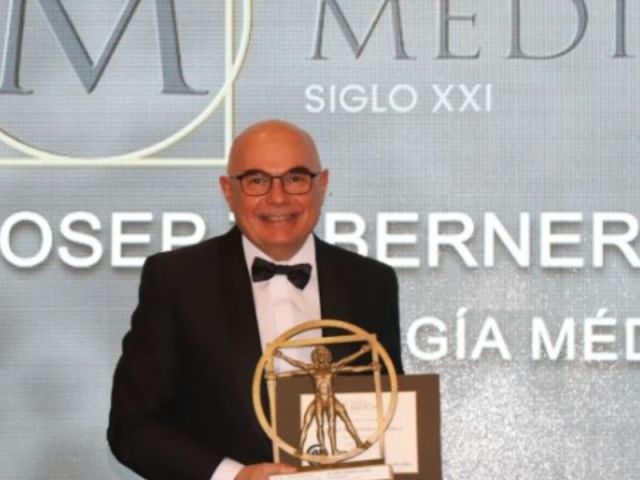
On April 3, the VII National Medicine Awards organized by the magazine El Suplemento were presented. Dr. Josep Tabernero, director…
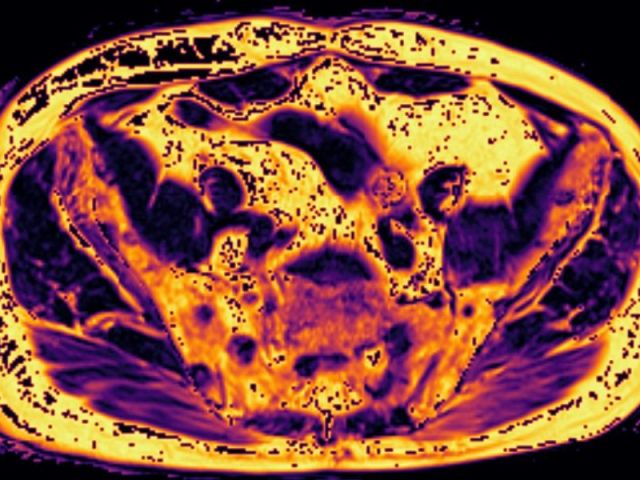
Results of the multi-center iPROMET study identify whole-body magnetic resonance imaging as a biomarker of response in prostate cancer patients…

Peptomyc, the VHIO and ICREA spin-off co-founded and directed by Dr. Laura Soucek, ICREA professor and director of the VHIO…
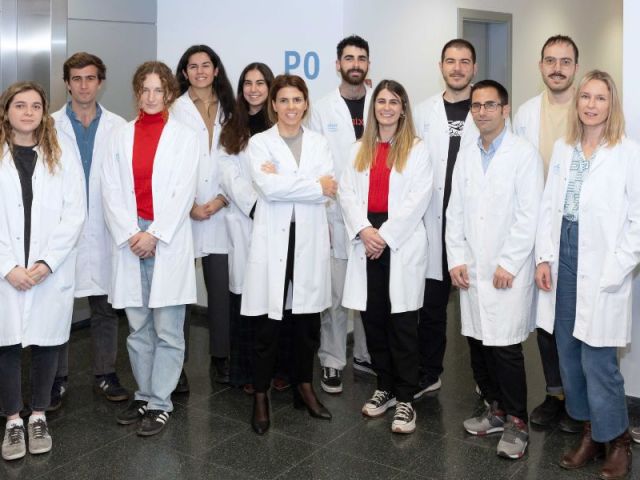
Developed by VHIO’s Radiomics Group in close collaboration with researchers of the Neuro-Radiology Unit at the Bellvitge University Hospital (HUB),…
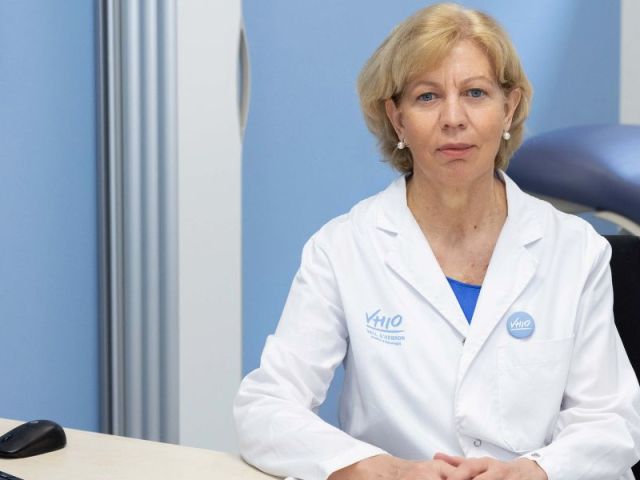
Honoring the legacy of Heine Hoi Hansen and his global contribution to lung cancer research and education, the Heine H….

Today, February 29th is celebrated World Rare Disease Day with the aim of raising awareness in society about these pathologies…
The predictability of response criteria remains controversial in drug development. Numerous reviews and meta-analyses continue to question the reliability of…

Josep Tabernero, Director of VHIO, has been awarded as a Fellow of the American Society of Clinical Oncology (FASCO). This…